The Federation of Civil Service Unions has drawn a line in the sand, handing the government a 21-day ultimatum to deliver a massive 100 percent salary hike or face a nationwide industrial strike.
Speaking at a media briefing in Lilongwe yesterday, Federation interim president Solomon David Chomba lashed out at government’s “systemic exclusion” of unions and dismissed recent 10–20 percent adjustments as insulting.
Regarding economic demands, the federation has labelled current remuneration as “unsustainable”.
It argues that the K30 000 monthly transport allowance is inadequate in the wake of rising fuel costs, demanding an increase to K150 000.
Additionally, the federation is proposing that special allowances be raised from K60 000 to between K120 000 and K250 000, noting that stagnant benefits have eroded morale and productivity.
The unions are also seeking a 100 percent to 150 percent adjustment on leave grants, dismissing a recent 25 percent increase as insufficient.
Furthermore, they raised alarms over pension management, accusing the government of failing to remit deducted contributions and leaving funds vulnerable to abuse.
“Our civil servants see pension deductions every day, yet these funds are not secure,” said Chomba.
The federation is demanding the immediate remittance of all outstanding contributions within 21 days, the settlement of arrears estimated between K65 billion and K70 billion, and the prosecution of officials involved in the alleged mismanagement.
The Federation has turned up the heat, demanding immediate intervention from the Reserve Bank of Malawi, a union-backed overhaul of the Pension Fund Act, and the wholesale dissolution of the current Board of Trustees.
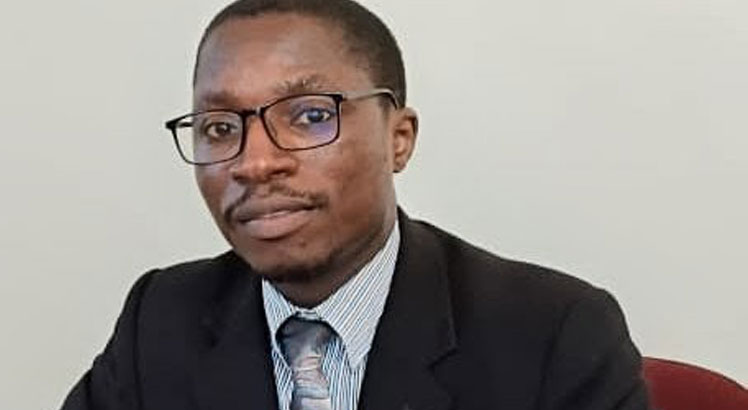
Chomba: | Wycliffe Njiragoma
On Thursday, the Central Bank struck back, revoking the licenses of all 11 trustees of the Public Service Pension Trust Fund.
Chomba warned that the 21-day countdown is officially ticking, anchored firmly in labour law.
“If the government fails to act, we are prepared to exercise our constitutional right to withdraw labour or seek legal redress,” Chomba declared.
Efforts to reach Chief Secretary to the Government Justin Saidi and Minister of Finance Joseph Mwanamvekha for comment on the viability of the unions’ demands were unsuccessful by press time.
Reacting to the demands, National Advocacy Platform chairperson Benedicto Kondowe described the concerns as legitimate but cautioned against “fiscally unrealistic expectations.”
“Real wages have been eroded, and pension remittances are non-negotiable obligations. However, a 100 percent salary increase is a non-starter in the current economic context,” Kondowe said.
He argued that any adjustment must be carefully calibrated to avoid destabilizing public finances and essential service delivery.
“A balanced approach would be a phased and targeted review that prioritizes the lowest-paid cadres, aligns increments with inflation and revenue capacity, and is complemented by efficiency measures such as payroll audits to eliminate ghost workers,” he added.
On pension management, Kondowe stressed the need for enforceable accountability systems which he said includes ring-fencing remittances, strengthening oversight by the Auditor General and the Public Accounts Committee, and ensuring regular reconciliation of payroll and pension records.
He also warned that any industrial action must be managed carefully to protect essential services, such as health and education, through minimum service agreements, structured negotiations, and timely mediation.